
Importing Furniture from China to the EU: Tariffs, Production Hubs, and Regulations
Updated 2026-06-20
After 20 years of sourcing furniture from China, I've seen too many importers assume that low prices and low EU duties mean an easy win. The reality is that navigating EU safety regulations, CE marking, and supplier reliability can trip up even experienced buyers. This guide cuts through the noise, covering production hubs, customs rates, and compliance steps you need to know before your first container.
Production areas of furniture in China
Regions rich in wood resources and with a well-developed furniture industry are mainly localized in northern and northeastern China, with a center in Beijing. However, factories that manufacture high-quality furniture are primarily in the east, e.g., Fujian, Jiangsu, and Shandong provinces. It’s also worth paying attention to Anji city in Zhejiang province. It specializes in bamboo furniture and bamboo materials production.
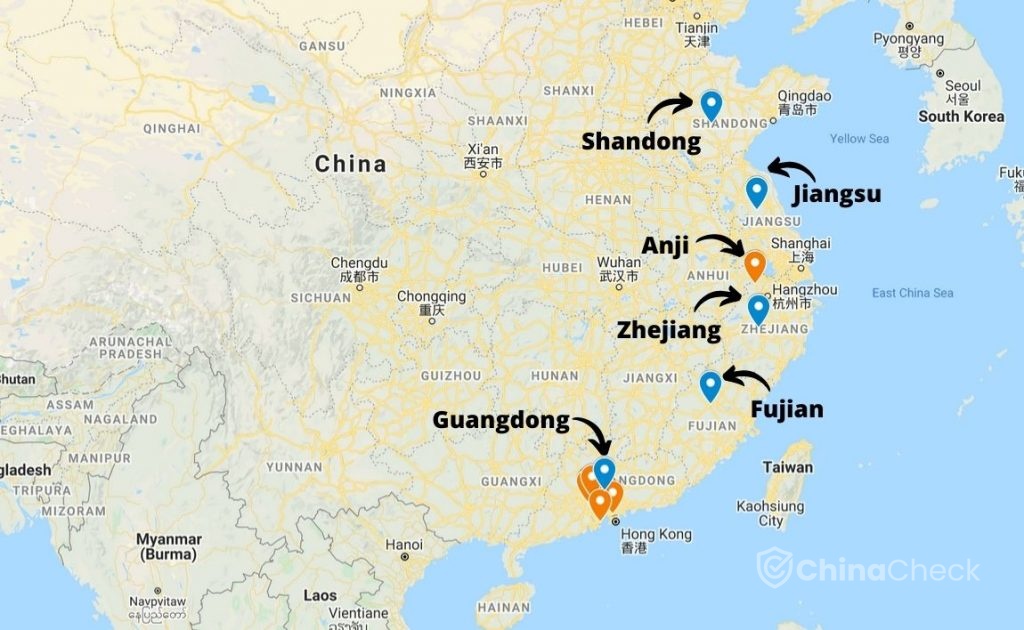
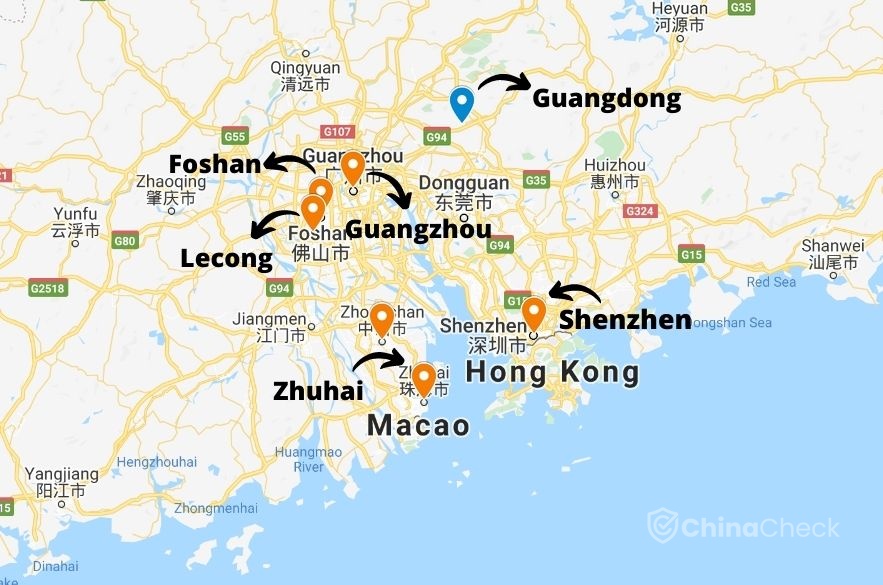
Nonetheless, the largest concentration of the furniture industry in China is located in the nearby region of the Pearl River. Among others, it covers metropolises such as Guangzhou, Shenzhen, and Zhuhai. Dayong and Zhongshan, also in the Guangdong province, manufacture furniture of redwood, while Lecong and Foshan manufacture sawed wood. The most famous production area of furniture is in the city of Foshan. The Shunde District of the town is referred to as the city of furniture and the Chinese furniture wholesale center. There are shops owned by over three thousand international dealers of furniture on over twenty streets of Shunde.
Import of furniture from China to the EU – customs rates
Regardless of the product’s type or specification, one must always check its duty rates before importing. You can find the customs rates on goods imported into the European Union in the TARIC system. For instance, various furniture is in Chapter 94 of Section XX concerning “Miscellaneous manufactured articles.” Below we present an example of custom duty rates on furniture along with the applicable HS codes:
- Wooden furniture and parts thereof (9403903090) – 2.7%
- Seats with wooden frames (9401610000) – 0%
- Metal cupboards with doors, shutters or flaps of a kind used in offices, exceeding 80 cm in height (9403109100) – 0%
- Metal desks of a kind used in offices, not exceeding 80 cm in height (9403105100) – 0%
- Wooden desks of a kind used in offices, not exceeding 80 cm in height (9403301100) – 0%
- Wooden furniture of a kind used in the bedroom (9403500000) – 0%
- Swivel seats with variable height adjustment (9401300000) – 0%
- Dentists’, barbers’ or similar chairs and parts thereof (9402100000) – 0%
- Wooden furniture of a kind used in the kitchen, hand-made (9403401010) – 2.7%
- Wooden furniture of a kind used in the dining room and the living room (9403601000) – 0%
- Furniture of plastics (9403700000) – 0%
- Furniture of rattan, hand-made (9403830010) – 5.6%
As one can notice, the duty rates for furniture are very low. Most of them don’t exceed 6%. That’s why, its import is so popular and might be a good idea for a profitable business.
Import of furniture from China to the EU – requirements
When importing from China to the European Union, one must keep in mind that there are some requirements the products have to meet. One of the most important regulations on the EU market is CE marking, applicable to goods covered by “New Approach Directives.” Most of the furniture doesn’t require CE mark. However, in the case of furniture with built-in lighting or other electrical parts, or moving parts powered by energy different from human, CE marking will be mandatory. Therefore, it’s essential to get acquainted with correct directives, like RoHS, EMC, and LVD, when buying these products.
Phytosanitary control
The requirement of a phytosanitary control is well-known to anyone who used wooden packages in import. Raw wood can contain parasites that may endanger the target country’s ecosystem. Usually, already-made furniture is exempt from this requirement, but it might apply to semi-finished products, wood carvings, tools, woodwork, marquetry, and parquets. Council Directive 2000/29/EC phytosanitary procedures in the European Union.
Furniture trade fairs in China
One of the most effective ways of finding a Chinese supplier is by attending a specialized trade fair. Plenty of cities in China organize such events for both domestic and global visitors. They’re an excellent opportunity for importers to negotiate with manufacturers and see the products in person.
Below is a list of fairs during which goods from the furniture category are presented.
Jinan Furniture Fair
- Location: Jinan International Convention & Exhibition Center
- Official website: jn-ff.com/index.html
Furniture China
- Location: Shanghai New International Expo Center
- Official website: furniture-china.cn
CIFF International Furniture Fair (Shanghai)
- Location: JI Hotel Shanghai Hongqiao National Convention & Exhibition Center Xujing
- Official website: ciff.furniture
Home Furnishing Expo Shenzhen
- Location: Shenzhen Convention & Exhibition Center
- Official website: hometexexpo.com
Famous Furniture Fair (Dongguan)
- Location: Guangdong Modern International Exhibition Center
- Official website: mar.gde3f.com
Interzum Guangzhou
- Location: China Import and Export Fair Pazhou Complex
- Official website: interzum-guangzhou.com
Import of furniture from China to the EU – Summary
Importing furniture from China to the EU is particularly popular due to its low duty rates and attractive prices. Therefore, it might be a good idea for a business. However, one must keep in mind that the import often comes with the responsibility of assuring the products’ safety. That’s why it’s essential to get to know all the applicable regulations, such as e.g., CE marking for specific furniture, beforehand. Remember also to always verify your supplier before making a payment.
Importing furniture from China to the EU is a smart move—if you do the homework. Always verify your supplier through an independent audit and enforce quality control with pre-shipment inspections. A single non-compliant shipment can cost you far more than the inspection fee. China-Check's factory audits and QC services have helped dozens of my clients avoid those headaches. Invest in verification before you invest in inventory.
Doing business with a Chinese company? Verify it before you commit
Run a verification →Verify before you pay
Get an independent due-diligence report on any Chinese company — registration, legal status, litigation and risk signals — delivered to your inbox.
Check a company now