
Using Pantone Colors in China Sourcing: Ensuring Brand Consistency Across Production Runs
Updated 2026-06-20
From experience, I've seen countless importers struggle with color discrepancies between approved samples and final shipments. The Pantone Matching System eliminates guesswork and ensures your brand's colors stay consistent from design to production. Here's why using Pantone codes is non-negotiable when sourcing from China.
Pantone colors and sourcing from China
About Pantone
Pantone Inc. was founded in 1963 by Lawrence Herbert. The first Pantone color guide, known as the “Pantone Matching System” (PMS), was created in the same year. It was a solution to the problem of graphic designers who needed a standardized color system in graphic design. Since then, basic colors have increased from 10 to over 1,700.
Pantone codes examples
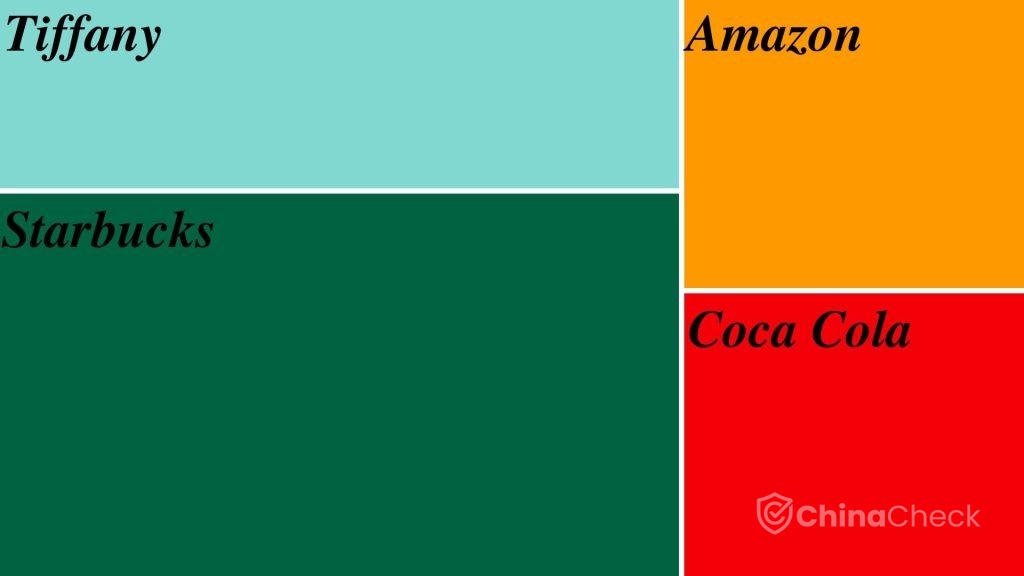
Here are examples of Pantone colors, along with the code and brand that identifies the color:
- Tiffany Blue, 1837 (Tiffany & Co)
- Coke Red, 484 (Coca Cola)
- orange 1375 C (Amazon)
- green 3425 C (Starbucks).
Why should you use the Pantone system?
Using Pantone codes greatly simplifies the product design process. Referring to colors using codes eliminates subjective color interpretations that may vary based on individual perceptions, lighting conditions, or even differences in production equipment.
Pantone colors for manufacturing samples
Once you have found a reliable supplier and determined which products you are interested in, the next step is to work out the details. At this stage, it is worth standardizing colors and using them when requesting a sample.
Samples play a key role in ensuring the appropriate quality of the product and its functionality. They are essential tools that help at various stages of the production process, from research and development to quality control. By rejecting prototypes, you get closer to an optimized product that will be consumers’ top choice among similar products.
It would be best if you communicated with your supplier the desired visual outcome at the stage of product development. The Pantone system is a global standard in color classification, so it is beneficial regardless of where the manufacturing will take place.
Pantone colors for packaging
Many products are introduced to the market in packaging. Packaging is not only used to protect the contents; it is also a marketing tool. The packaging of a product can determine its commercial success. By using Pantone colors for packaging, you can enhance the visual appeal of your product, making it more attractive to potential customers.
You can order packaging from a supplier of the actual product or outsource the packaging production to another contractor. In both cases, you need to establish the details regarding the color palette.
The Pantone color of the packaging should be planned strategically to maximize the potential of the product. It is also important to analyze market trends and be guided by research on consumer reactions to specific colors.
Pantone colors and sourcing from China – summary
The selected Pantone system colors play a key role in creating a brand. Every company should consider a strategic approach to choosing and using colors to maximize the potential of the visual layer of the product.
In summary, Pantone colors are not just a tool for color identification but a strategic asset in product design and sourcing.
Pantone colors and quality control
Manufacturers can verify whether colors meet specifications with the standardized Pantone color system. Quality inspectors consider Pantone colors when assessing quality, providing the assurance that mass-produced goods meet the importer’s requirements.
Don't leave your brand's colors to chance—specify Pantone codes in your product specifications and QC checkpoints. When you're ready to verify that your supplier matches those colors exactly, our factory inspectors can check against Pantone standards during production and pre-shipment. Schedule an inspection with China-Check to ensure your products arrive looking exactly as intended.
Doing business with a Chinese company? Verify it before you commit
Run a verification →Verify before you pay
Get an independent due-diligence report on any Chinese company — registration, legal status, litigation and risk signals — delivered to your inbox.
Check a company now