
FOB vs CIF: Which Incoterm Should Importers Choose When Sourcing from China
Updated 2026-06-20
Over the years, I've watched too many new importers get tripped up by Incoterms, especially FOB and CIF. The difference isn't just paperwork—it directly impacts your bottom line and control over shipping. Here's what 20 years of sourcing has taught me about choosing between them.
There are many Incoterms. Today, we would like to focus on the differences between FOB and CIF 2010 terms using the example of importing from China.
FOB – Free on Board
As you can see in the infographics, Incoterms FOB ensures that all obligations relating to costs, risk, and insurance of the goods are split between the buyer and the seller in a fair way.
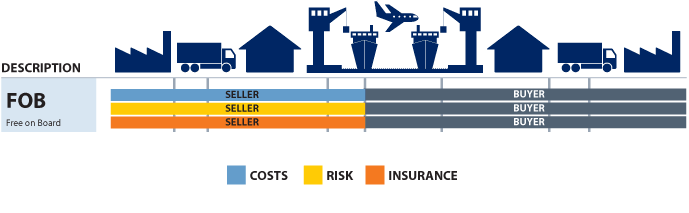
The entire process of importing from China is divided into the most important stages.
- Manufacturing and preparing goods for shipping.
- Transporting from the factory to the port.
- Loading the goods onto the vessel (to the ship’s rail).
All the above obligations are the seller’s responsibility: by agreeing to sell goods on FOB terms, the Chinese company is obligated to carry out and pay for all these actions as well as bear the associated risks. Unfortunately, in order to swindle extra money, many Chinese companies and employees ask the buyer to finance or split the costs of transporting the goods from the factory to the port or the alleged customs duty. However, as the buyer, you are not obligated to pay such charges!
These stages of importing from China are the responsibility of the seller. The buyer must organize, finance, and bear the risk associated with the following stages i.e.:
- Sea freight from the Chinese port of loading to the port of destination (Gdynia, Rotterdam, Hamburg, Los Angeles, etc.) and insurance of goods.
- Unloading and warehousing of goods (THC, warehousing costs, etc.)
- The customs import procedure (customs duty, VAT, submitting import documentation).
- Transportation of the goods from the port to the point of destination (e.g. the warehouse or the company’s office).
Thanks to this allocation of responsibilities between the buyer and the seller, we know what additional costs to expect and which stages of the process are our responsibility when we opt for importing on FOB terms. When planning to import from China, you need to calculate the costs of transportation very carefully because the price provided by a Chinese manufacturer includes only the product itself.
CIF – Cost, Insurance and Freight
In contrast to FOB terms, Incoterms CIF (Cost, Insurance and Freight) shifts the obligation to cover the costs of sea freight to the seller, i.e. in our example – to the Chinese manufacturer.
This solution may seem very tempting. However, we need to remember that we do not order only the product; we place an order for the product and sea freight. What is more, many hidden costs relating to CIF shipping are shifted to the buyer in the port of discharge.
Use FOB to keep control of your logistics and avoid hidden CIF markups. But remember: even on FOB terms, some Chinese suppliers may try to pass on inland freight charges. That's where a reliable factory inspection or supplier verification from China-Check can save you—ensuring your supplier sticks to the agreed terms and doesn't inflate your costs.
Doing business with a Chinese company? Verify it before you commit
Run a verification →Verify before you pay
Get an independent due-diligence report on any Chinese company — registration, legal status, litigation and risk signals — delivered to your inbox.
Check a company now