
Importing Pet Accessories from China to the US: Tariffs, FDA Pet Food Rules, and Supplier Guide
Updated 2026-06-20
The pet industry is booming in the US, and importing accessories from China can be a lucrative move—but only if you do it right. Over my 20 years as a sourcing agent, I've seen too many importers lose money on poor-quality leashes, beds, or toys because they skipped proper vetting. This guide cuts through the noise and gives you the practical steps to find reliable suppliers, understand duty rates, and navigate compliance issues.
Importing pet accessories from China – production areas
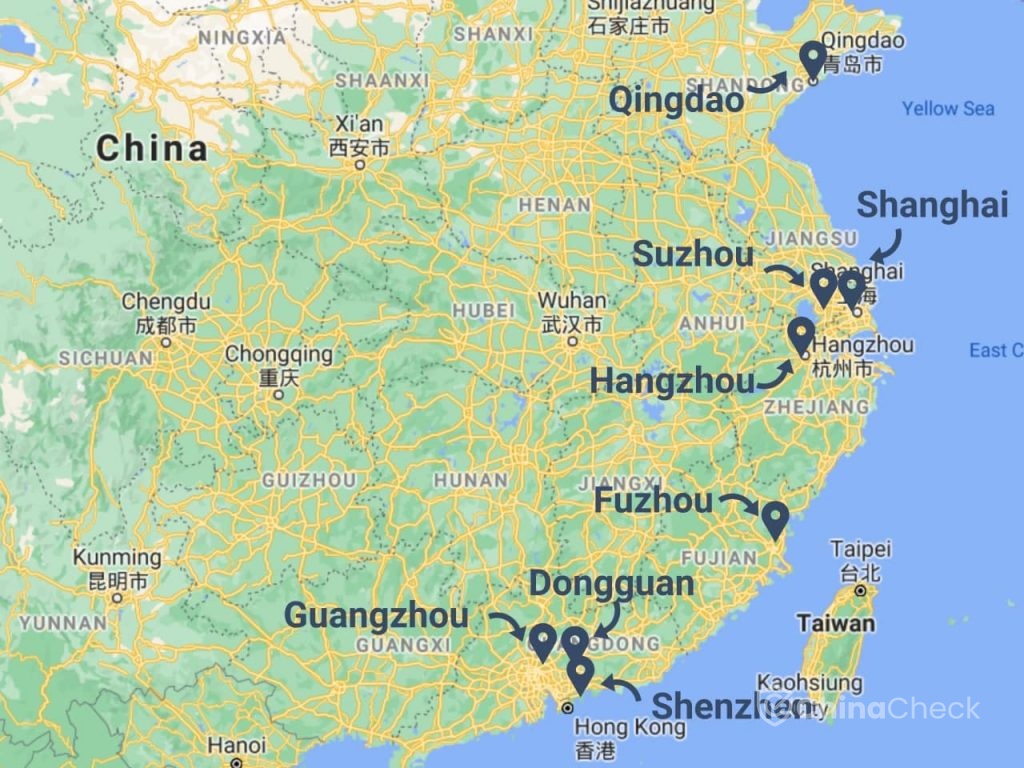
Things like pet clothing and accessories, pet beds, and leashes can be found mostly in Shenzhen, Dongguan, Guangzhou (all in Guangdong province), Suzhou (Jiangsu), and Ningbo (Zhejiang). The popularity of raising a pet will grow, so as a result, the production of pet supplies and accessories will also increase.
There are many manufacturers in:
- Shenzhen
- Dongguan
- Suzhou
- Guangzhou
- Qingdao
- Shanghai
- Hangzhou.
Importing pet accessories from China – trade fairs
A trade fair is an excellent opportunity for the importer to meet in person the manufacturer’s representative and see the products. The following list contains selected shows, where exhibitors will display pet accessories and supplies.
Pet Show
- Location: Hong Kong Convention and Exhibition Center, Hong Kong
- Official website: petshow.com.hk/en/introduce.php
China Pet Expo (CPE)
- Location: Beijing – China International Exhibition Centre, Beijing, China
- Official website: cpse-expo.com/en
Petfair South China
- Location: Guangzhou – China Import and Export Complex, Guangzhou, China
- Official website: petfairasia.com/column/10
Qingdao International Pet Fair
- Location: Qingdao International Convention Center, Qingdao, China
- Official website: qdhmpet.com/index.html
Animal Health and Feed
- Location: Shanghai New International Expo Centre (SNIEC), Shanghai, China
- Official website: cphi-china.cn/animal/en
Pet Fair Asia
- Location: Shanghai New International Expo Centre (SNIEC), Shanghai, China
- Official website: petfairasia.com/en
China International Toy Fair – China Toy Expo
- Location: Shanghai New International Expo Centre (SNIEC), Shanghai, China
- Official website: china-toy-expo.com/en
US duty rates on pet accessories from China
The payment of due duties is obligatory for the importer. The current rates of duty are in the HTS system, and it is recommended to check them before ordering goods. The following list presents selected products together with their codes and the corresponding amount of duty. The rates of duty are currently in force in the United States of America. Pets will for sure appreciate if you provide them with products that meet their needs.
- Toys for pets (4016.99.20) – 3%
- Toys for pets – mechanical articles for motor vehicles (4016.99.60) – 5%
- Toys for pets of rubber – vibration control goods of a kind used in the vehicles (4909.00.40) – 0%
- Toys for pets, of textile materials (6307.90.75) – 4.3%
- Gates for confining pets (4421.91.97.70) – 3.3 %
- Plastic ornamentation designed for aquariums that house fish, reptiles or small pets (3924.90.56) – 3.4%
- Portable and foldable water or food bowls of textile materials designed for use by pets (6307.90.98) – 7%
- Scissors, valued over $1.75/dozen, designed for use in pet grooming (8213.00.90) – 3¢ each + 3%
The list consists of only a few examples. Due to the US-China trade war, some goods imported from China to the US are subject to an additional tariff. The 25% tariff applies to subheading 4016.99.60. The 7.5% tariff applies to, for instance, subheading 3924.90.56. If the product has an existing 4.3% duty, the new rate would be 29.3% or 19.3%, depending on the rate of special tariffs. The additional tariff is supposed to discourage importers from importing from China.
Importing pet accessories from China – importer’s responsibilities (US)
To ensure that your deal will be successful, choose a credible supplier. For clearance formalities, prepare and gather the necessary documents. Negotiate with the supplier Incoterms and who will make the import declaration. If the supplier chooses not to, you will be the Importer of Record (IOR). Your importer number will be your Social Security Number.
There are no federal regulations in place to ensure that certain standards are met for pet toys and gear. Despite that, the importer should place on the market a product that is not harmful, whether to humans or animals. Opt for products with labeling that state they meet ASTM F963-11 standards, meaning they are suitable for children. If you import to California, the products should meet California’s standards concerning the amount of chemicals.
The FDA (U.S. Food and Drug Administration) regulates both finished pet food products (including treats and chews) and their ingredients, which must be safe. In terms of importing pet food, there is no requirement that the products have to have pre-market approval by the FDA. However, FDA regulations require applicable labeling. Moreover, some states enforce their labeling regulations.
Whether you're importing dog collars or cat beds, due diligence is your best friend. Before you place a large order, invest in supplier verification and a pre-shipment inspection—it's far cheaper than dealing with returns or customs holds. China-Check offers factory audits, quality control checks, and compliance guidance to help you avoid costly mistakes. Reach out to our team for a consultation before your next shipment.
Doing business with a Chinese company? Verify it before you commit
Run a verification →Verify before you pay
Get an independent due-diligence report on any Chinese company — registration, legal status, litigation and risk signals — delivered to your inbox.
Check a company now